Single-Girder Overhead Traveling Cranes: How to Choose Based on Type, Price and Duty Class
When choosing a single-girder overhead traveling crane, lifting capacity alone is not enough. Span, lifting height, duty class, operating frequency and the actual load all affect whether a crane is suitable for your facility. This guide explains the main types, price factors and selection points to review before requesting a quotation.
Imagine comparing two single-girder overhead traveling cranes, both rated for 10 tons. If one is used occasionally for maintenance and the other handles loads throughout every shift, they may need different duty classifications and components. Choosing a crane based only on capacity can lead to unnecessary costs or equipment that is not suited to the workload.
This guide breaks down the selection process by crane type, price and duty class to help purchasing teams prepare a more useful specification.
What Is a Single-Girder Overhead Traveling Crane?
A single-girder overhead traveling crane has one main bridge girder and typically uses an electric hoist to lift and move loads. The crane travels along runway rails installed in a building or workshop. It is commonly considered for light- to medium-duty material handling where the building layout, span and workload suit a single-girder design.
Compared with many double-girder arrangements, a single-girder crane can have a lower structural dead weight and may place lower wheel loads on the runway. The actual effect depends on the design, span, capacity and supporting structure, so the building and runway still need to be checked before equipment is selected.
“Single-girder” does not automatically mean low quality or low duty. The right configuration depends on how often the crane operates, the loads it handles and the working conditions. Duty classifications such as A3, A4 or A5 should be confirmed against the applicable design standard and the manufacturer's calculations; they should not be used to promise a fixed service life.
Common Types of Overhead Cranes
1. Electric Hoist Single-Girder Crane
This is a common configuration for general lifting. An electric hoist raises and lowers loads using a hook, while the bridge travels along the runway. Typical uses include workshops, equipment maintenance areas, warehouses and production spaces where packaged goods, components or machinery need to be moved.
Capacity and span vary by project. When requesting a quote, specify the required lifting capacity, span, lifting height, duty class, hoist model or preferred brand, control method and operating environment. Hoist selection can have a noticeable effect on the total price.
2. Grab-Bucket Crane
A grab-bucket configuration may be considered for handling suitable bulk materials. Confirm how the rated capacity is defined for the complete lifting arrangement. The grab's own weight and the material load must be accounted for according to the crane design, so the usable material capacity should never be assumed to equal the headline crane capacity.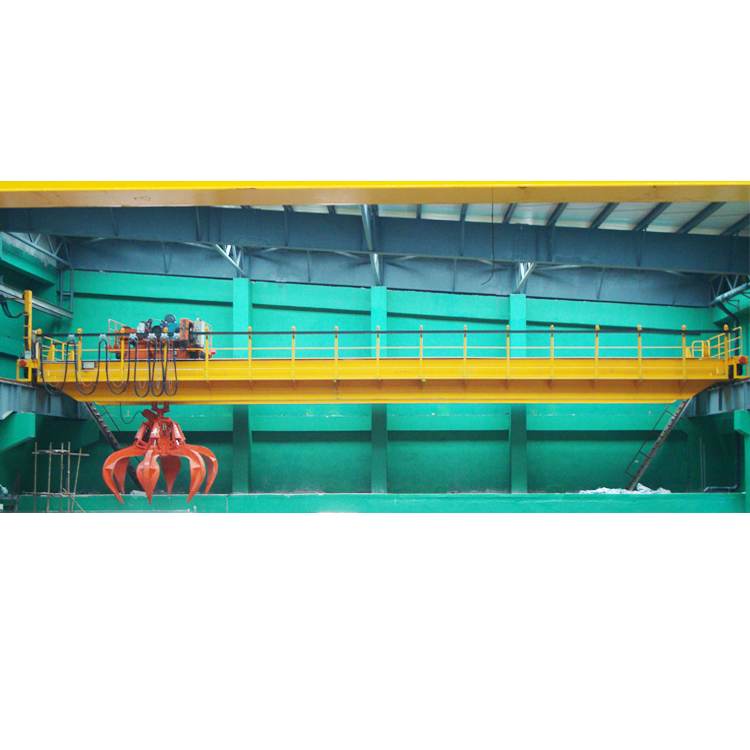
3. Electromagnetic Overhead Crane
Electromagnetic lifting equipment can be used for suitable ferrous materials, such as steel pieces or scrap. Before ordering, check the lifting magnet's capacity and duty, power requirements, control and cable arrangement, and what happens to the load if the power supply is interrupted. The magnet and crane must be specified as a compatible system for the intended material and operating conditions.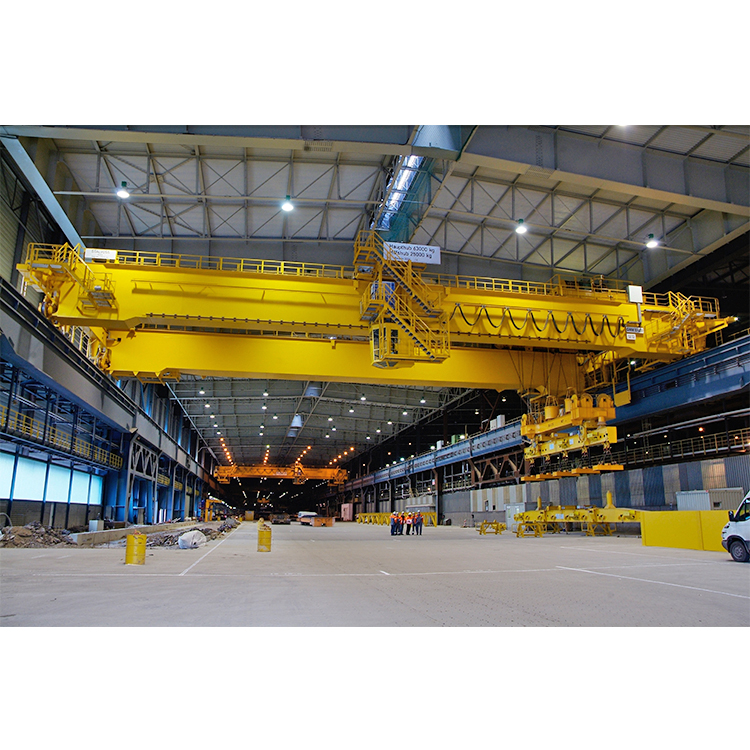
4. Explosion-Proof Single-Girder Overhead Crane
Where flammable gases, vapors or combustible dust may be present, the equipment must be selected to suit the site's classified hazardous area and applicable requirements. Motors, electrical components and other relevant parts need appropriate ratings. A standard crane should not simply be assumed suitable after an informal retrofit; provide the manufacturer with the hazardous-area classification before design begins.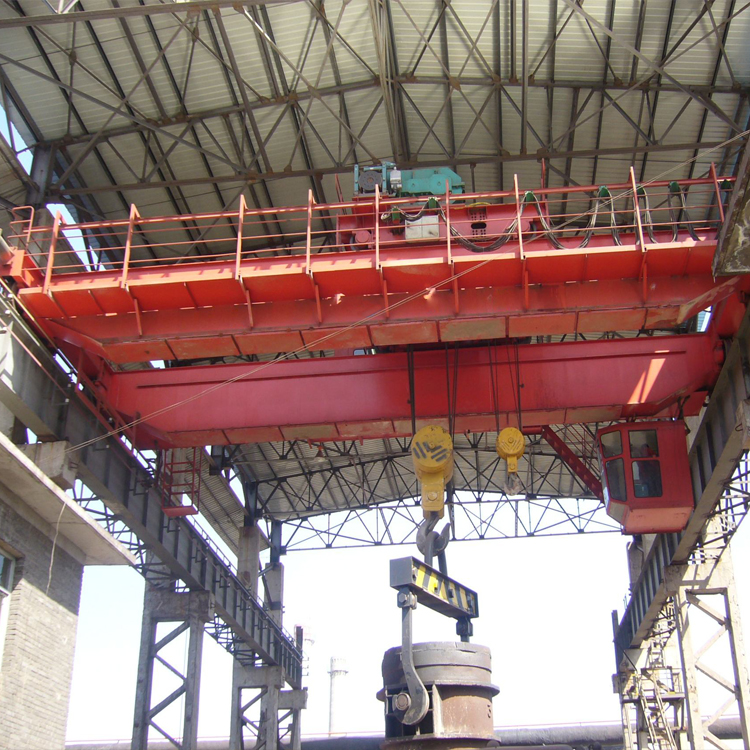
What Affects the Price of a Single-Girder Overhead Crane?
There is no universal price for a single-girder overhead crane. Two cranes with the same rated capacity can cost different amounts because of span, lifting height, duty requirements, hoist specification, controls and the scope of supply. Installation conditions and shipping arrangements can also change the project total.
The table below gives illustrative budget ranges only. These are not a formal HY Crane quotation or a verified current market price list. Use them as a starting point for discussion, then request a project-specific quote based on confirmed technical requirements.
| Configuration | Capacity | Example Span | Example Duty Class | Control | Illustrative Price (USD) |
|---|---|---|---|---|---|
| Electric hoist single-girder | 5 t | 12–16 m | A3–A4 | Pendant / radio remote | $2,000–$4,000 |
| Electric hoist single-girder | 10 t | 16–22 m | A4–A5 | Radio remote / cabin, if applicable | $4,000–$8,000 |
| Electromagnetic configuration | 10–16 t | 20–28 m | Project-dependent | Project-dependent | $8,000–$15,000 |
| Grab-bucket configuration | 5–10 t | 18–25 m | Project-dependent | Project-dependent | $6,000–$12,000 |
Pricing note: The ranges above are indicative examples supplied for preliminary planning, not guaranteed prices. Actual costs can differ substantially by country, specifications, included equipment and market conditions. Confirm the complete scope with the manufacturer before comparing offers.
When reviewing a quotation, ask whether it includes:
- The crane bridge, end carriages, hoist and electrical system.
- Runway rails, power-feeding equipment and related accessories.
- Installation, commissioning, load testing and operator training, if required.
- Packing, inland transport, sea freight, insurance and destination charges, where applicable.
- Drawings, manuals, spare parts and warranty terms.
A low equipment price may exclude rails, installation or other project costs. Compare quotations on the same technical specification and delivery scope rather than looking at the headline figure alone.
How to Select the Right Duty Class
Duty classification reflects the expected workload, including operating frequency and the load spectrum over the crane's service. The correct class depends on the applicable standard and the manufacturer's design assessment. Annual hours and lifts per hour are useful starting points, but they do not determine the class on their own.
| Operating Profile | Typical Work Pattern | What to Discuss with the Manufacturer |
|---|---|---|
| Occasional use | Maintenance, repair and infrequent lifting | Actual lift frequency, load range and periods of inactivity |
| Regular workshop use | Machining, assembly and warehouse handling during normal shifts | Daily operating hours, average and maximum loads, lifts per hour |
| Intensive use | High-throughput production or frequent repetitive handling | Load spectrum, operating cycles, starts per hour and required design class |
Do not select A3, A4, A5 or another class based on a simple rule of thumb alone. A crane handling light loads frequently may have a different duty profile from one lifting heavy loads occasionally. Share the real operating schedule and load information with the manufacturer and ask for the proposed classification to be justified in the technical offer.
If the workload is intensive, the span is large or the lifting arrangement is complex, ask whether a single-girder design remains appropriate. A double-girder crane may be worth evaluating, but the decision should be based on engineering requirements and total project cost rather than capacity alone.
What to Check During a Crane Factory Visit
A factory visit can help you understand how a supplier manages production and quality. At HY Crane, prospective buyers can discuss the proposed crane configuration and ask which production and inspection records are available for their project. Verify the actual arrangements and documentation for the specific order rather than relying on general claims.
Useful questions to ask include:
- What material specifications and traceability documents are available for the main girder?
- Which welding procedures and inspection methods are used for the relevant components?
- Is the hoist manufactured in-house or supplied by another manufacturer, and what model is proposed?
- What inspection and functional tests are performed before shipment?
- Can the supplier provide the applicable test records, drawings and inspection documents for this order?
After delivery, installation quality also matters. Check that the runway and rails meet the approved alignment and level requirements, that electrical power and conductor systems are installed correctly, and that commissioning is carried out by qualified personnel. Binding wheels, misaligned rails or an unsuitable runway can create operating problems even when the crane itself is properly manufactured.
Frequently Asked Questions
How long can a single-girder overhead traveling crane last?
Service life depends on duty class, load spectrum, operating conditions, manufacturing quality, installation and maintenance. A crane used occasionally under suitable conditions may have a very different service life from one working frequent production cycles. Ask the manufacturer to confirm the design duty and follow the inspection and maintenance schedule.
What is the price of a 5-ton single-girder overhead crane?
The price depends on span, lifting height, duty requirements, hoist specification, controls and what is included in the supply. Rails, power-feeding systems, installation and shipping may be quoted separately. Provide the same project details to multiple suppliers so you can compare quotations on an equivalent basis.
Should I choose a single-girder or double-girder overhead crane?
A single-girder crane may suit applications where the capacity, span, lifting height and workload fit its design. A double-girder arrangement may be more suitable for certain heavier-duty, larger-span or higher-lift requirements. The final choice should be based on the operating profile, building conditions and an engineering review.
What should I prepare before crane installation?
Confirm that the runway structure and rails meet the approved design, the required power supply is available, and the delivery and lifting route is accessible. Agree in advance on installation responsibilities, commissioning, testing, site access and safety arrangements with the supplier and site team.
How can I verify whether a crane supplier is a real manufacturer?
Ask to see relevant production areas, component sourcing information, quality-control procedures and inspection records for the proposed equipment. Clarify which parts are manufactured in-house and which are sourced externally. A factory visit is useful, but technical documentation and clear responsibility for the finished crane are also important.
What information should I send to request a quotation?
Provide rated capacity, span, lifting height, runway length, available headroom, operating hours, expected lifts per hour, load type, power supply, control preference, working environment and delivery destination. Drawings or site photos can help the manufacturer assess building constraints and prepare a more accurate proposal.
Need a Single-Girder Overhead Crane for Your Workshop?
Share your lifting capacity, span, lifting height and operating conditions with HY Crane. Our team can review your requirements and help identify the configuration and technical details to confirm before quotation.
Contact HY Crane